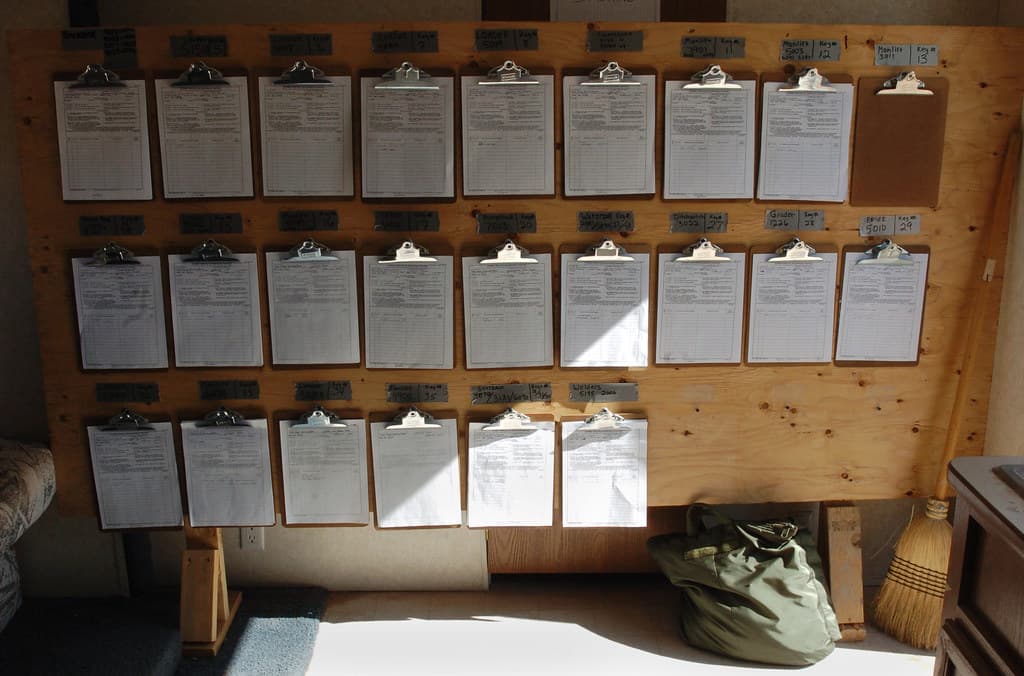
Field service work looks simple from the outside: a customer books a visit, a technician arrives, the job is completed, and an invoice follows. Inside the company, the same job can pass through a website form, phone note, dispatch board, technician app, stock check, quote approval, photo record, ERP item, accounting system, and customer email. Every handoff creates a place where the promise can drift from what actually happened on site.
AI for field service should not begin with a chatbot or a generic scheduling assistant. The useful starting point is the full booking-to-invoice workflow. A Belgian service company needs one controlled operating path from request intake to dispatch, field notes, exception approval, invoice preparation, and follow-up. AI can classify messy messages, extract job details, draft updates, detect missing information, and prepare invoice lines. People still approve the commercial and operational decisions that matter.
This approach is timely because Belgian companies are already moving AI into operations. Statbel reports that more than one company in three used at least one AI technology in 2025, with written-language analysis among the most common uses. Field service is a natural fit for that pattern because much of the work arrives as language: emails, call summaries, service notes, photos, descriptions, parts requests, and customer explanations.
Where the workflow usually breaks
The first failure point is intake. A customer asks for a repair, inspection, installation, calibration, or recurring maintenance visit. The request may include an address, asset number, urgency, contract reference, access window, safety condition, and photos. If those details are spread across email and phone notes, dispatch has to interpret the request before anyone can plan the work.
The second failure point is the field visit. A technician may solve the issue, discover a different fault, use parts that were not expected, need a second visit, or identify a safety concern. If that information is typed later from memory, the job record becomes less reliable. If it is captured in a free-text note with no structure, invoicing and customer communication still need manual interpretation.
The third failure point is invoice readiness. Belgium's e-invoice programme states that, from 1 January 2026, Belgian enterprises liable to VAT must use structured electronic invoices for transactions with each other. That does not mean every field service company can automate invoicing blindly. It means the job record has to become structured enough for accounting: customer entity, VAT details, work performed, contract coverage, parts, travel, labour, approvals, and any reason a charge should be blocked.
A booking-to-invoice architecture
A practical architecture has one source of truth for the job and several controlled automation steps around it. The source of truth may be a field service platform, CRM, ERP, or service desk. The important point is that the job record is not rebuilt from scratch in every system.
- Capture the request: collect web forms, emails, phone summaries, and portal tickets into one queue. AI can extract customer name, site address, asset, request type, urgency, preferred time, language, and missing fields.
- Classify the work: map the request to service type, skill, likely duration, parts category, and contract rule. Low-confidence classifications should route to dispatch instead of scheduling automatically.
- Prepare dispatch: generate a concise job brief for the planner and technician, with source links back to the customer's original message and asset history.
- Capture field evidence: guide the technician through required notes, photos, part usage, customer sign-off, and unresolved exceptions.
- Control exceptions: send warranty, out-of-scope work, missing purchase order, safety issue, and return-visit cases to the right human approver.
- Prepare the invoice draft: create structured invoice lines only from approved job facts, contract rules, and confirmed parts or labour entries.
- Close the loop: draft customer updates, update the CRM, and feed exception reasons into the next planning review.
The workflow should be designed so AI improves the record before a decision is made. That is safer than letting AI make a decision and asking someone to discover the problem later.
What AI should and should not do
AI is useful when the input is unstructured but the business rule is clear. It can turn a customer email into a proposed job type, summarise the technician's notes, compare the completed work against a checklist, or flag that the job cannot be invoiced because the purchase order is missing. It can draft a polite bilingual customer update after dispatch changes the appointment time.
AI should not silently approve a charge, promise a same-day arrival, override a contract, close a safety issue, or change a customer master record without a rule and a human control. The distinction matters. Field service teams often work under time pressure, and an automation that is too confident can create customer disputes faster than a manual process would.
For Belgian and Brussels teams, language handling also needs care. A request may arrive in Dutch, French, English, or a mixture. AI can help normalise the working record, but the customer-facing message should match the customer's language and use approved terminology. A technician note can be informal; an invoice explanation should not be.
Data, privacy, and access controls
Field service workflows usually contain personal data: names, phone numbers, addresses, access instructions, photos, signatures, and sometimes notes about homes, offices, health, safety, or staff availability. The European Commission describes data protection as a fundamental right in the EU and explains that the GDPR protects natural persons when personal data is processed. That means the automation design has to define the data boundary before model calls begin.
Start with an inventory: which systems does the workflow read, which fields does it write, what data is personal or confidential, and who can view each record. Do not connect an AI assistant to a whole mailbox or document drive if the field service workflow only needs job requests and approved service manuals. The access model underneath SharePoint, Google Drive, CRM, ERP, and ticketing tools should be cleaned before retrieval is enabled.
Logs also need a policy. Keep enough evidence to understand prompts, source records, generated drafts, approvals, and final actions, but avoid storing unnecessary personal data in a second shadow system. The goal is operational accountability, not another uncontrolled archive.
Implementation plan for a Belgian SME
Begin with one repeatable service line, not the entire organisation. Good candidates have frequent requests, clear categories, enough historical examples, and visible admin delay. Examples include HVAC maintenance appointments, equipment calibration, facility repair requests, appliance installation, IT onsite support, or industrial maintenance callouts.
Run a two-week mapping exercise. List the intake channels, required fields, dispatch decision, technician checklist, exception types, invoice rules, and customer messages. Then choose one measurable slice. For example: "extract and validate booking details from inbound requests, create a dispatch-ready job brief, and flag missing purchase orders before the job is scheduled."
Build the first version with human approval at each commercial decision. Dispatch approves the job type and appointment proposal. The technician confirms work performed and parts used. Finance approves invoice-ready records when exceptions exist. After the slice is stable, the company can widen the workflow to recurring maintenance, parts forecasting, customer follow-up, or invoice dispute reduction.
This is the same operating discipline behind Intyb's workflow automation service and operational workflow implementations. For regional context, see our work with Belgian businesses and Brussels companies. A field service workflow has different inputs from manufacturing, but the same principle applies as in AI automation for Belgian manufacturing SMEs: automate the record, controls, and exception path before automating final decisions.
Measurement plan
Measure the workflow before launch. Useful baselines include request-to-dispatch time, missing-field rate, rescheduled visits, technician note completion, invoice delay, invoice corrections, disputed charges, customer response time, and manual touches per job. Do not claim savings until the baseline is known and the workflow has operated long enough to compare similar work.
After launch, review both efficiency and control quality. Track the percentage of AI-extracted fields accepted without edits, low-confidence classifications, exception routing accuracy, invoice drafts returned by finance, customer messages edited by dispatch, and jobs reopened because the record was incomplete. A good workflow should reduce rework without hiding judgement calls.
Monthly review should ask three questions: are the right jobs being automated, are the right exceptions still reaching people, and are the records good enough for invoice and customer follow-up? If the answer is no, improve the workflow before adding more autonomy.
When this is not ready
Do not automate booking-to-invoice if the current service catalogue is unclear, technicians use inconsistent codes, contracts are not digitised, or invoice rules depend on private knowledge held by one person. AI will not fix those gaps. It will make them move faster.
Also pause if the company cannot define who owns the workflow. Dispatch, operations, finance, and service leadership all have stakes in the result. A useful AI workflow needs one accountable owner, one technical owner, and a clear change process when rules, contracts, or customer promises change.
For a broader warning, read why bad process automation costs more. Field service is especially sensitive because the customer experiences the workflow in real time: missed access windows, unclear charges, duplicate visits, and slow invoices all damage trust.
To review a booking-to-invoice workflow with a practical automation plan, contact Intyb's Brussels AI implementation team. The best first project is rarely the flashiest one. It is the workflow where better records, faster exceptions, and cleaner handoffs make every visit easier to complete and invoice.